
Why Technology Alone Won’t Fix Education
Technology is everywhere in education. But access alone is not enough.
Giving students devices, software, or AI tools does not automatically create meaningful learning experiences. The real challenge is making sure technology actually helps people feel included, understood, and supported.
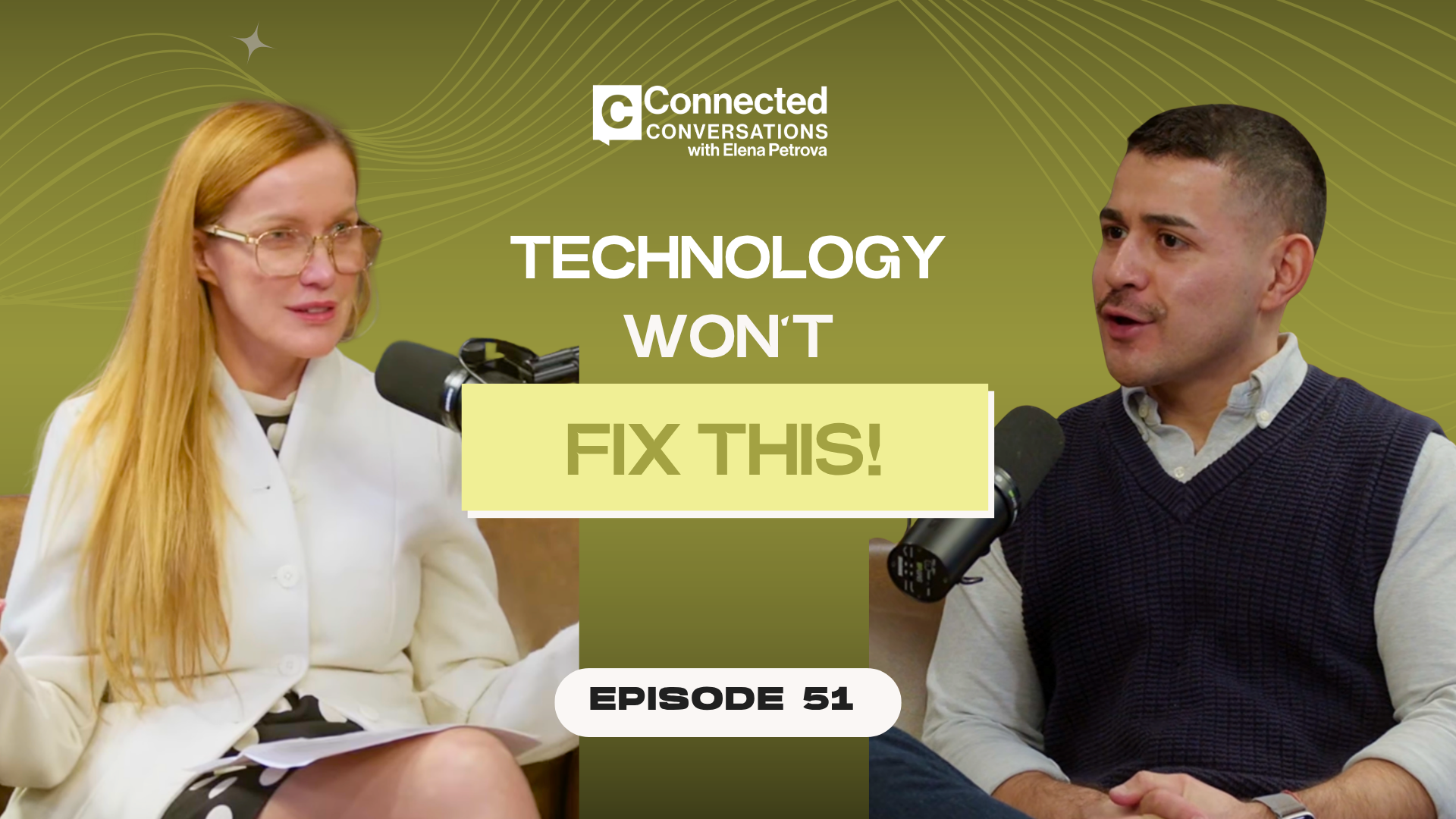
In Episode 51 of Connected Conversations, Bryan Chicas joins Elena Petrova for a conversation about AI, education, community, and why human connection still matters more than ever.
AI IN EDUCATION IS NOT THE REAL PROBLEM
Every generation has feared new technology. From calculators to computers to the internet, people have always worried that technology would replace human thinking and connection. AI is simply the latest version of that fear. But Bryan explains that the educators thriving today are not the ones resisting technology. They are the ones learning how to use it intentionally.AI should not replace learning. It should support it. And one of the biggest breakthroughs educators experience through ISTE+ASCD programs is not technical knowledge. It’s confidence. Many educators stop fearing AI once they understand how it can actually help them.
ACCESS DOES NOT MEAN INCLUSION
One of the strongest themes in this episode is the difference between access and inclusion. A student having a device does not automatically mean:
- They feel supported
- They understand the material
- They are engaged
- They feel represented
True inclusion requires understanding how people learn differently. It requires educators to:
- Meet students where they are
- Understand different cultural and language contexts
- Adapt communication styles
- Build trust
Technology is only useful if it helps people connect more deeply—not less.
COMMUNITY MAKES TECHNOLOGY HUMAN
Bryan also highlights the importance of professional learning communities. For many educators, conferences, webinars, and online communities are not just educational tools. They are emotional support systems. Many teachers feel isolated in their schools when trying new approaches to technology or AI. But community changes that. It reminds people they are not alone. And in education, that sense of connection matters just as much as technical skills.
ACTIVE LISTENING CHANGES EVERYTHING
One of the most powerful moments in the conversation centers around active listening.
Bryan explains: When you listen, you act. When you listen, you change. Whether you’re designing a classroom, creating educational programs, or building communities, listening is the foundation.
Without listening:
- Inclusion becomes performative
- Technology becomes disconnected
- Learning becomes transactional
But when educators truly listen, they can build experiences that actually serve students.
THE FUTURE OF EDUCATION IS HUMAN-CENTERED
AI will continue changing education. That is unavoidable.But the future does not belong to people who simply adopt technology fastest. It belongs to those who:
- Use technology intentionally
- Prioritize connection
- Build inclusive environments
- Help learners feel seen and heard
Because education has never just been about information.It has always been about people.
FINAL THOUGHT
Technology is infrastructure. Community is what makes it meaningful. And in a world moving faster every day, the ability to listen, connect, and adapt may become the most important skill of all.
You can watch/listen to this episode here:
🔴 YouTube: https://www.youtube.com/watch?v=JFxUsVaMB_s
🟢 Spotify: https://shorturl.at/VMVLZ
⚫ Apple Podcast: https://shorturl.at/EV2zx
🔵 Amazon Music: https://shorturl.at/MhR27