
How to Ensure Cultural Nuance in Global Marketing
Localization
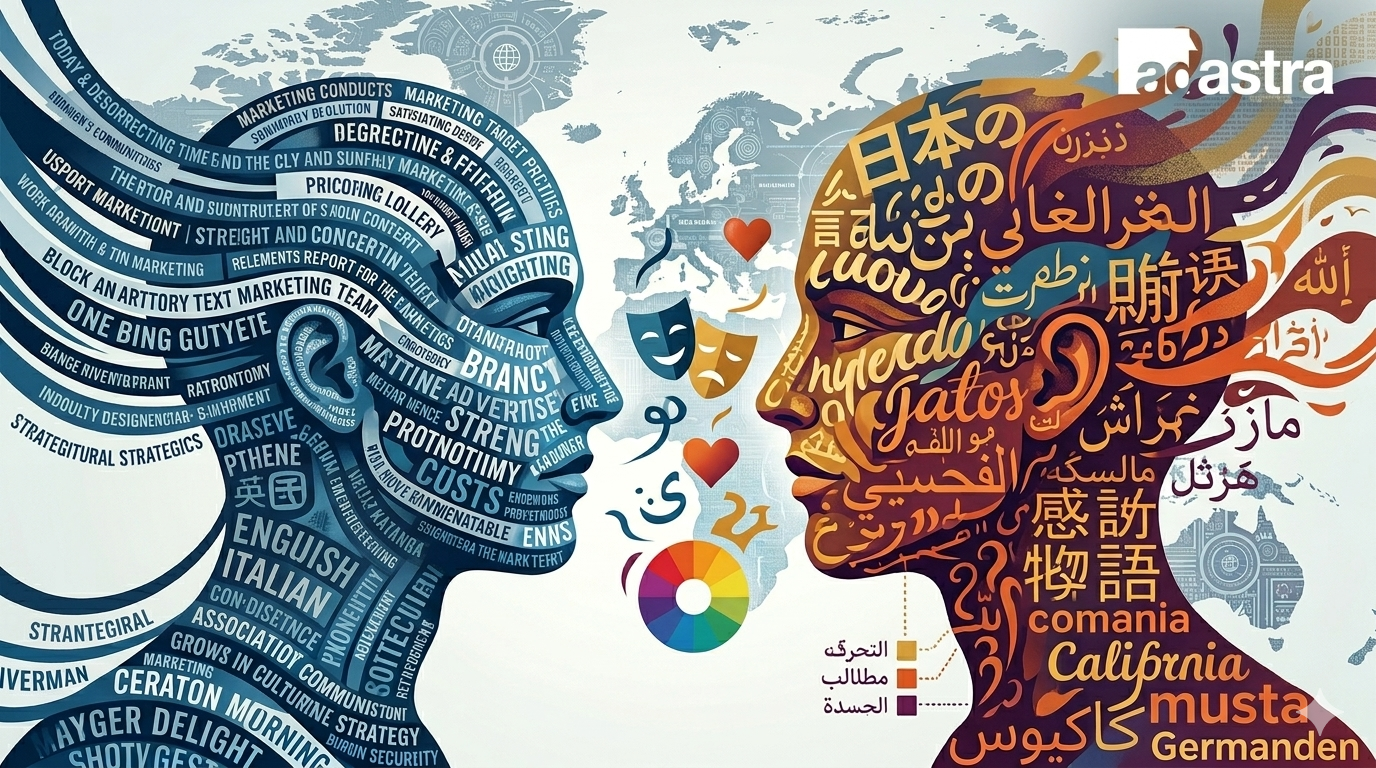
For Chief Marketing Officers and global marketing executives, entering a new region is one of the highest-stakes plays in the playbook. You have spent millions perfecting your brand voice, messaging hierarchy, and emotional appeal in your domestic market. But when it is time to cross borders, a harsh reality often sets in: what resonates in New York might fall flat in Tokyo, or worse, cause active offense in Berlin.
The bridge between a successful domestic campaign and global resonance is marketing localization. It is the strategic process of adapting your content not just for a different language, but for a different culture. In this guide, we will explore why standard translation is rarely enough for high-level marketing, the critical role of cultural nuance, and how enterprise leaders can build localization strategies that actually drive revenue.
Beyond Words: What is Marketing Localization?
Marketing localization is a comprehensive adaptation of your brand’s messaging, visuals, and user experience for a specific target market. Unlike technical manuals or compliance documents where literal accuracy is the only goal, marketing content is designed to persuade, engage, and evoke emotion.
When executing global campaigns, true localization touches every element of your strategy:
- Idioms and Humor: Jokes rarely survive literal translation.
- Color Psychology: White represents purity in Western cultures but is often associated with mourning in parts of Asia.
- Imagery and Representation: Do your stock photos reflect the local demographics and social norms?
- Formatting: Currency, dates, and even reading direction (left-to-right vs. right-to-left) dictate how your landing pages should be designed.
The Strategic Choice: Transcreation vs. Translation
To ensure cultural nuance in translation, marketing leaders must understand the distinct difference between standard translation and transcreation. Mixing these up is the most common reason global campaigns fail.
Standard Translation
Translation is the process of converting text from one language to another while staying as close to the original source text as possible.
When to use it: Product descriptions, legal disclaimers, user interfaces (UI), and technical specifications. In these instances, modern AI translation services paired with human post-editing (MTPE) offer incredible speed and efficiency.
Transcreation (Creative Translation)
Transcreation takes the core concept, emotion, and intent of your message and completely recreates it for the target audience. The linguist acts more like a native copywriter than a traditional translator.
When to use it: Slogans, emotional video scripts, brand anthems, and high-level advertising copy.
Example: When a major fast-food brand launched in China, their famous "finger-lickin' good" slogan was initially translated literally as "eat your fingers off." It required transcreation to capture the intent—that the food is delicious—without the unintended horror.
The Cost of Ignoring Cultural Nuance
Failing to account for cultural nuance does more than just hurt campaign ROI; it can cause lasting brand damage. When consumers feel a brand is simply copy-pasting its domestic strategy into their backyard, it signals a lack of respect and investment in their community.
At Ad Astra, we see the impact of this across industries. Whether you are dealing with patient communications in healthcare or high-stakes B2B software sales, cultural dissonance erodes trust. Consumers buy from brands that understand their unique pain points, values, and societal context.
4 Steps to Build a Culturally Nuanced Global Marketing Strategy
To scale globally without losing your brand identity, build these four pillars into your localization workflow:
1. Conduct Deep Market Research
Before translating a single word, research the cultural landscape. What are the local competitors doing? What is the cultural attitude toward your specific product category? For example, aggressive, scarcity-driven sales copy works well in the US but is often viewed as untrustworthy in parts of Northern Europe.
2. Empower In-Country Linguists
Do not rely solely on translators who live outside the target region. Language evolves rapidly. You need in-country experts who understand current slang, pop culture, and the socio-political climate. Give them the freedom to push back on your English source copy if they know it will not resonate.
3. Adapt the Visual and User Experience (UX)
Localization requires design flexibility. German text, for instance, typically takes up 30% more space than English. If your website buttons and banners are hard-coded for English character counts, your UI will break. Furthermore, ensure your visual assets—from hero images to video talent—reflect the target demographic. If you are producing multimedia content, consider whether voiceover or subtitling is the preferred consumption method in that region.
4. Establish a Feedback Loop
Marketing localization is not a set-it-and-forget-it task. Launch with localized A/B testing. Monitor engagement metrics closely and be prepared to iterate. What works in Mexico City may need adjustment before launching in Madrid, even though both markets speak Spanish.
Partnering for Global Success
Achieving true cultural nuance at an enterprise scale requires a sophisticated mix of cutting-edge technology and expert human insight. It is not just about speaking a different language; it is about speaking your customer's language.
Successful CMOs treat localization not as a final step before launch, but as a core component of the creative process from day one. By prioritizing transcreation for high-value assets and deeply understanding regional nuances, your brand can build genuine, lasting connections anywhere in the world.