
Rebuilding Trust After Crisis: Accountability & Leadership (Part 2)
Trust doesn’t disappear overnight, and it can’t be rebuilt with statements or policies alone.
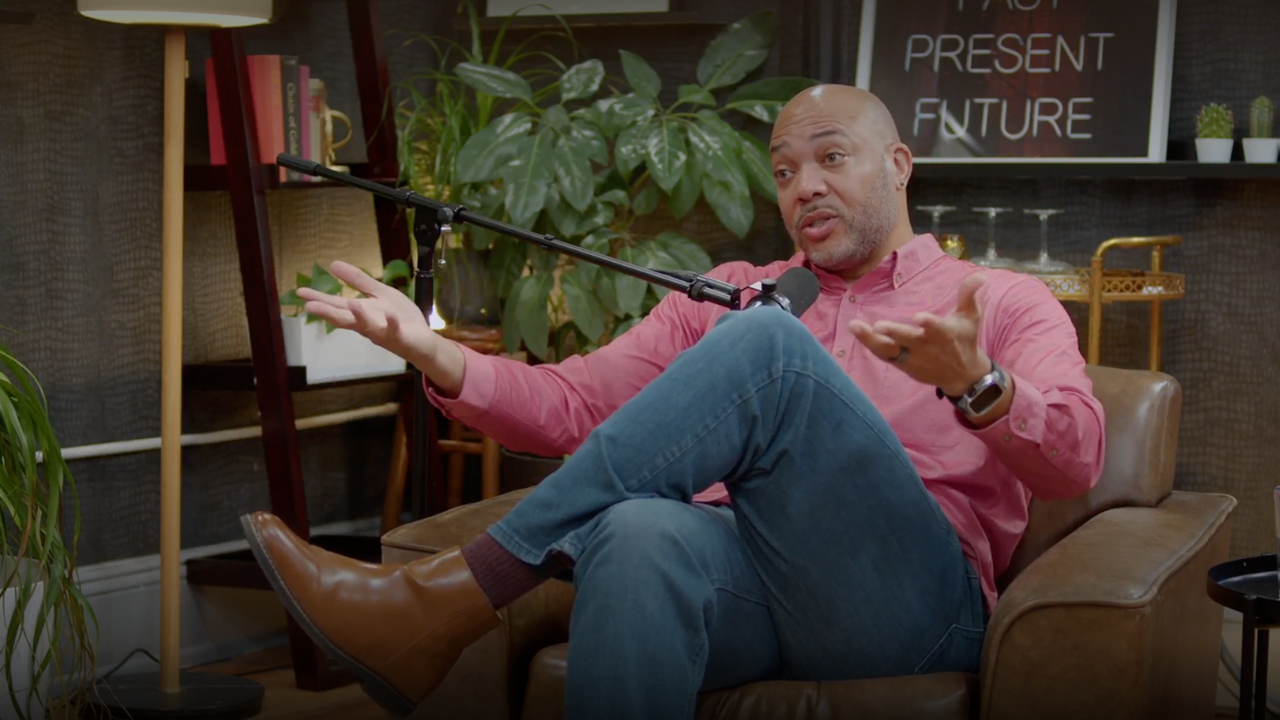
In Part 2 of Connected Conversations with Jason P. Armstrong, Elena Petrova explores what happens after trust is broken, and what leaders must do to restore credibility, dignity, and connection in communities shaped by historical trauma.
Jason speaks candidly about the reality many institutions face: communities don’t distrust systems randomly. Distrust is often rooted in unacknowledged history, unresolved harm, and accountability processes that feel distant, opaque, or dismissive.
When History Is Ignored, Trust Collapses
One of the most powerful themes in this episode is the importance of understanding a community’s past. Jason explains that when leaders and officers enter communities without learning their history — especially histories marked by injustice or unresolved violence — they unintentionally deepen mistrust.
Without context, even well-intended actions can reopen old wounds.
Accountability Systems That Build — or Break — Credibility
Jason challenges traditional internal accountability models that prioritize process over people. When systems make it difficult to file complaints, understand outcomes, or feel heard, trust erodes further.
As an alternative, he shares how mediation in Ferguson transformed the complaint process — replacing impersonal letters with facilitated dialogue. These conversations didn’t always resolve disagreement, but they restored something essential: human connection.
Communication as the Antidote to Distrust
At the core of Jason’s leadership philosophy is a simple truth: people want to be seen, heard, and valued.
He references research showing that small moments of genuine engagement — even a few extra minutes — dramatically change how people experience authority. In public safety and leadership, positive interactions before crises create the relational capital needed during them.
The Community Pi & P.I.E. Model
Jason introduces two frameworks for sustainable change:
-
Community Pi - a reminder that communities thrive through diversity and gathering, where every voice has value
-
P.I.E. Model
-
Partnerships: Change requires unlikely allies
-
Innovation: New challenges demand new approaches
-
Empowerment: Communities must be active participants, not passive recipients
-
Leadership That Lasts
This episode also pulls back the curtain on leadership sustainability. Jason speaks honestly about burnout, the danger of “just surviving the day,” and why self-care and family alignment are not luxuries — they’re leadership responsibilities.
Real leadership isn’t about being liked. It’s about being what the moment requires.
Final Reflection
Part 2 closes with a clear call to action:
Positive change starts with individual connection, courageous accountability, and a commitment to add value where it’s most needed.
🎧 This episode is a must-listen for leaders navigating trust, reform, and long-term impact.
🟡 Website: https://ad-astrainc.com/podcast/how-trust-is-rebuilt-when-its-broken-jason-armstrong-pt-2
🔴 YouTube: https://youtu.be/qsC4BWHRLbU
🟢 Spotify: https://shorturl.at/IUZER
⚫ Apple Podcast: https://shorturl.at/tzxE6
🔵 Amazon Music: https://shorturl.at/ZL5Ux